

Hey everyone! I hope all is well. I know it has been a minute since I last posted a blog. I have my reasons. I will share them in another post, in due time.
*****
In a capitalist society, our worth is often tied to how much we can contribute financially—whether that’s through work or social interactions. When you’re unemployed and ‘broke,’ this pressure becomes a heavy burden. As someone who is usually the giving type, being in a position where I can’t contribute in the ways I once did has made me wrestle with feelings of resentment, shame and embarrassment, especially when it comes to friendships.
Friendships often come with expectations. In a capitalist world, socializing frequently revolves around spending—whether it’s grabbing drinks after work, going to dinner, attending special occasions like weddings, birthdays or even planning vacations. When you’re unemployed, these seemingly simple invitations begin to carry a weight you didn’t expect. You find yourself either declining to participate or stretching what little you have just to keep up.

For me, it’s been hard to reconcile being the person who was once generous. I was always happy to give without expecting anything in return, even with the minimum I had. Now, I need help. The switch has been jarring, to say the least. The capitalist mentality that praises independence and financial contribution makes it difficult to admit that you’re struggling. And when you’re someone who prides yourself on being self-reliant, needing help starts to feel like a failure.
Capitalism doesn’t teach us how to ask for help. In fact, it often equates asking with weakness. I’ve noticed how hard it’s been to admit when I need support—not just emotionally, physically, and spiritually, but financially. Even more difficult is realizing that the help I want isn’t always readily offered. It also doesn’t come in the way I expect. This leads to a complicated emotional environment. There’s shame in asking and there’s shame when the support isn’t freely given.
Asking for help can feel like a double-edged sword. On one hand, I know that to get through tough times, I need others. On the other hand, when that help doesn’t come naturally or without pressure, it can breed resentment—not just toward the people I ask but toward myself for needing to ask in the first place. I start to get frustrated. It leaves me wondering if I’m being selfish or inconsiderate of their situations. Am I being too demanding? Am I not seeing them clearly?

This emotional struggle can feel like quicksand. The more I reach out, the more I sink into embarrassment, guilt and shame. It’s exhausting and I often find myself retreating, preferring to deal with everything alone rather than risk feeling like a burden.
The resentment doesn’t stop with my relationships—it turns inward, too. When you’re unemployed, capitalism has a way of making you feel like a complete loser. In this system, productivity and worth are intimately linked. Being ‘broke’ can feel like you’ve lost not only your financial footing but also a part of your identity. For me, this has led to feelings of resentment not just towards my situation but towards life in general.
I’ve always been someone who shows up for others—emotionally, spiritually, physically and financially. But now, when I need the same support, it doesn’t always come. And that’s been a hard pill to swallow. It makes me want to withdraw, to stop asking and to handle my problems on my own. There’s a part of me that thinks if I remove myself from the equation, I won’t feel the sting of disappointment. When help doesn’t come, I won’t be as hurt.
But that withdrawal comes with its own cost. The more I isolate, the more I feel disconnected—not just from my friends but from myself. It’s a vicious cycle, one that leaves me feeling like no matter what I do, I’m either failing to meet my own needs or imposing on others.
One of the hardest lessons I’ve had to learn through this experience is not to expect others to mirror my own behaviour. As someone who is typically generous, it’s been difficult to accept that not everyone will respond in the way I would. This doesn’t necessarily mean they don’t care—it just means that people’s capacities are different. But knowing that and accepting it are two very different things.
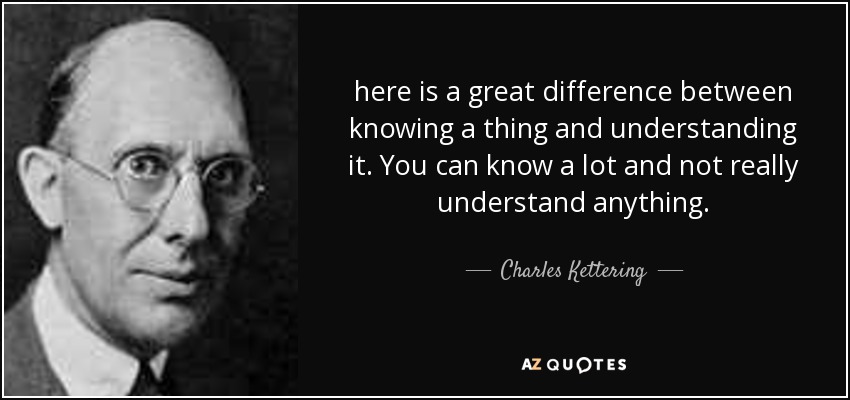
Letting go of these expectations has been a slow process. I’m learning that I can’t base my self-worth on whether others offer help or support in the ways I want. People’s lives are complex and just as I’ve been dealing with my own struggles, they likely have theirs. This doesn’t mean I don’t still feel frustrated or hurt at times, but I’m trying to navigate those emotions without letting them consume me.
Ultimately, this journey is about finding a balance—learning to ask for help when I need it without shame, understanding that not everyone will respond in the ways I hope and forgiving myself when I feel resentful or selfish. In a capitalist world that values self-sufficiency above all else, it’s no wonder that we, as ‘broke’ friends, struggle. But perhaps the lesson is that our worth isn’t tied to what we can give—or what we receive.
Let me know what you think 🙂
Share this blog with anyone who is facing or has faced a similar situation.

 Transparency Talks Truth